Well for my fly tying anyway.
In many parts of the country where winters are cold and snowy, fly fishermen often turn to fly tying to replenish their fly boxes for flies lost during the previous season and as an outlet for their fly fishing passion. Living on the “dry side” of Washington among the sagebrush, cheat grass, and rattlesnakes, I am finding that July is also a time to retreat to the fly tying bench for something “fishy” to do when it is 102 degrees outside.
As my last few fly tying related blogs have shown, I have been experimenting with materials new to me, like closed-cell foam. I admit I’m a little slow to get on that train as this material has been in common use for a very long time. In general, I have been slow to embrace many synthetic materials in favor of natural furs and feathers. Like Elvin Bishop, I’m old school.
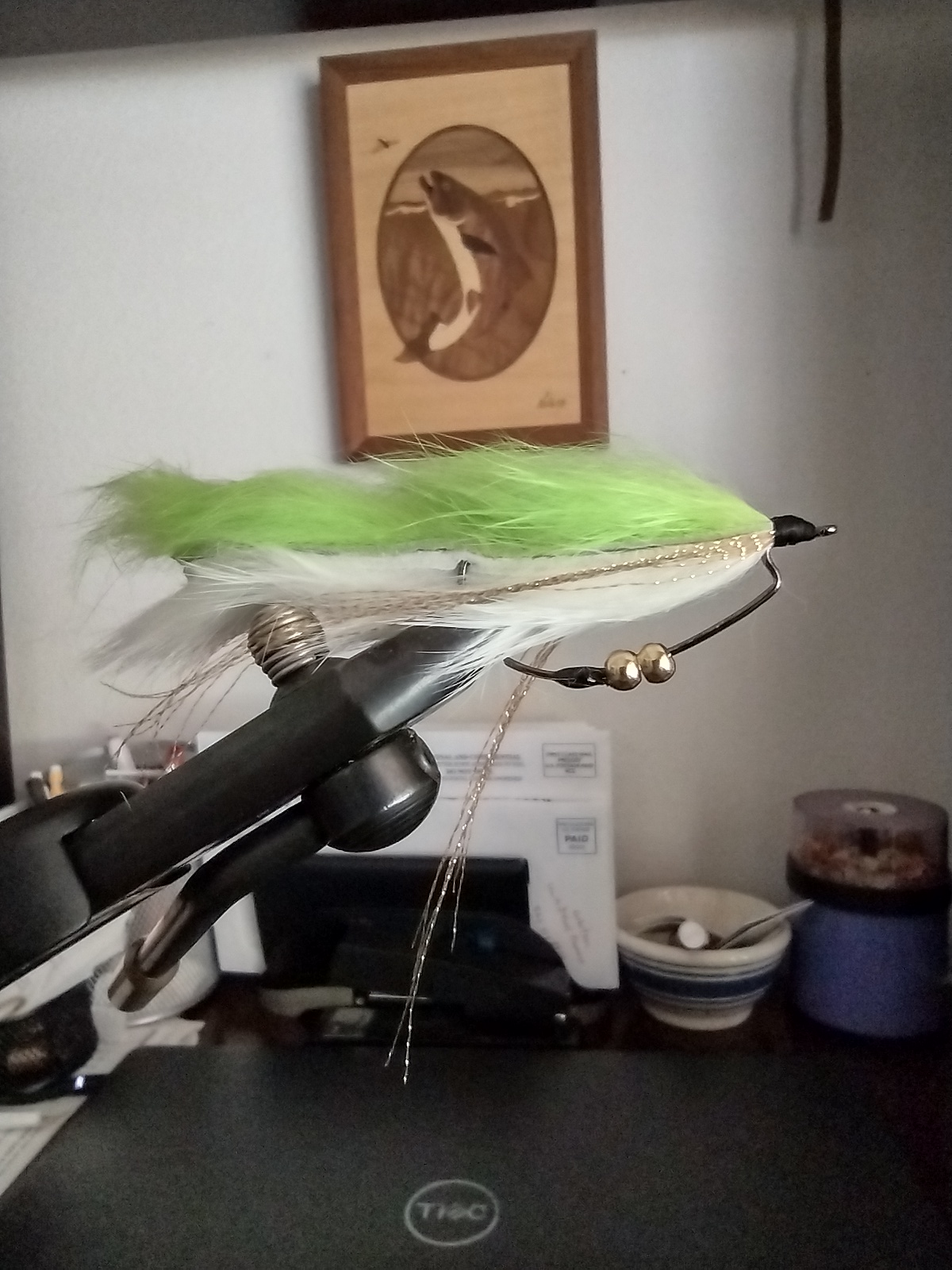
Recently, out on the lower Snake River fishing “gear” (i.e., conventional fishing gear) for smallmouth bass using a plastic jerk bait on a offset worm hook, EWG style, I started thinking streamer flies could be fashioned on these hooks. This kind of hook was designed for Texas rigging plastic worms. This is a Gamakatsu offset worm hook. EWG is short for Extra Wide Gap.
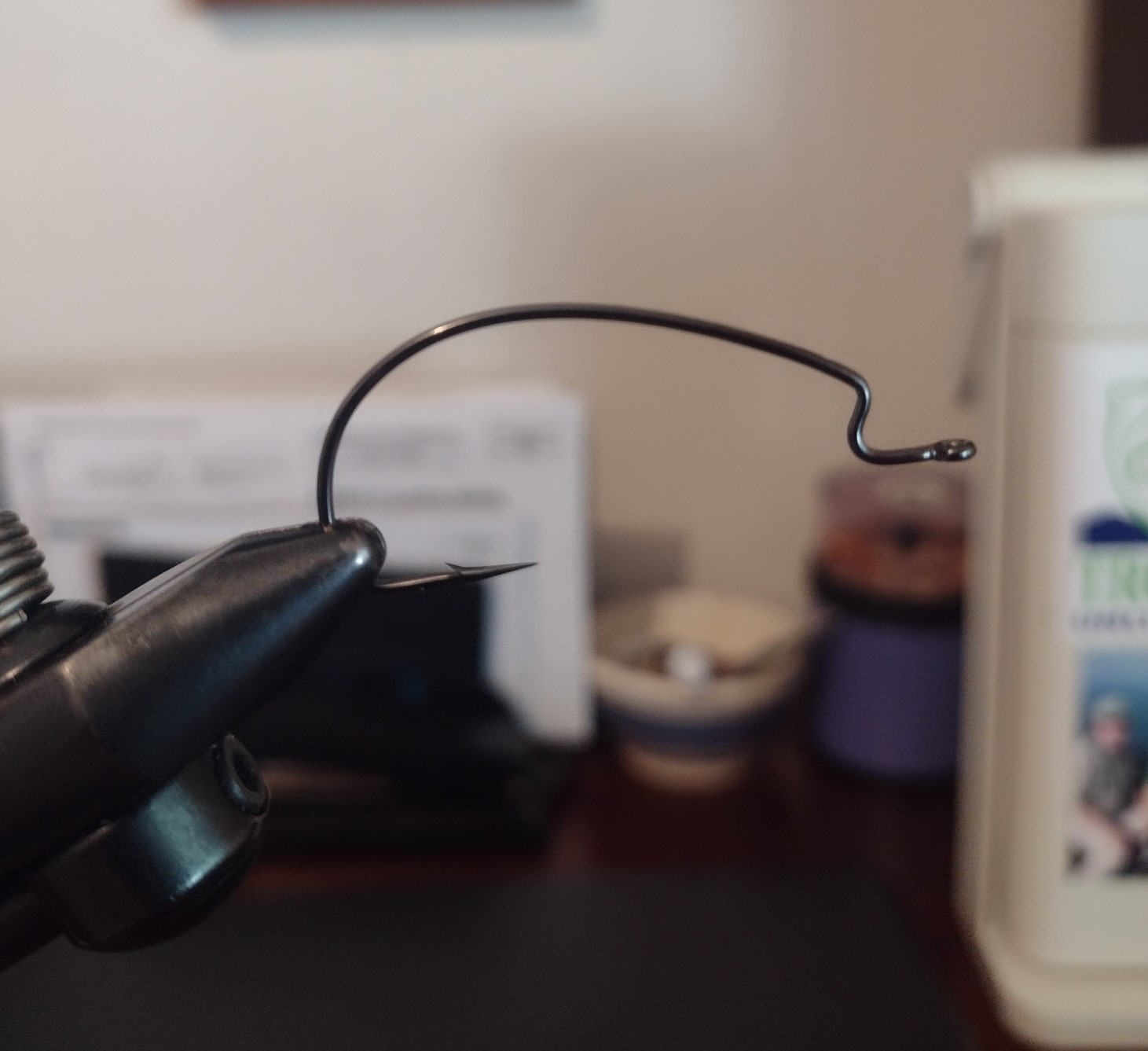
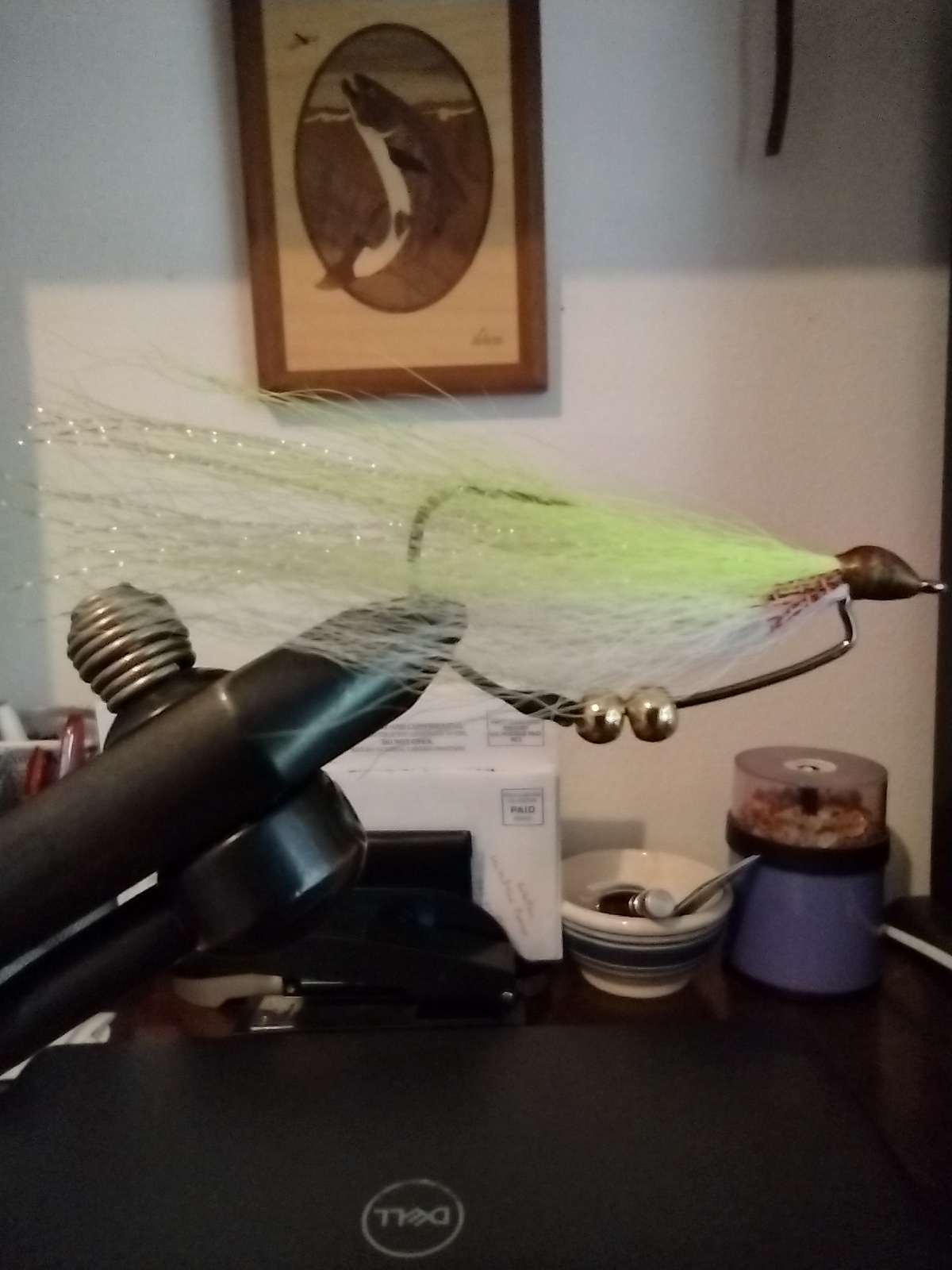
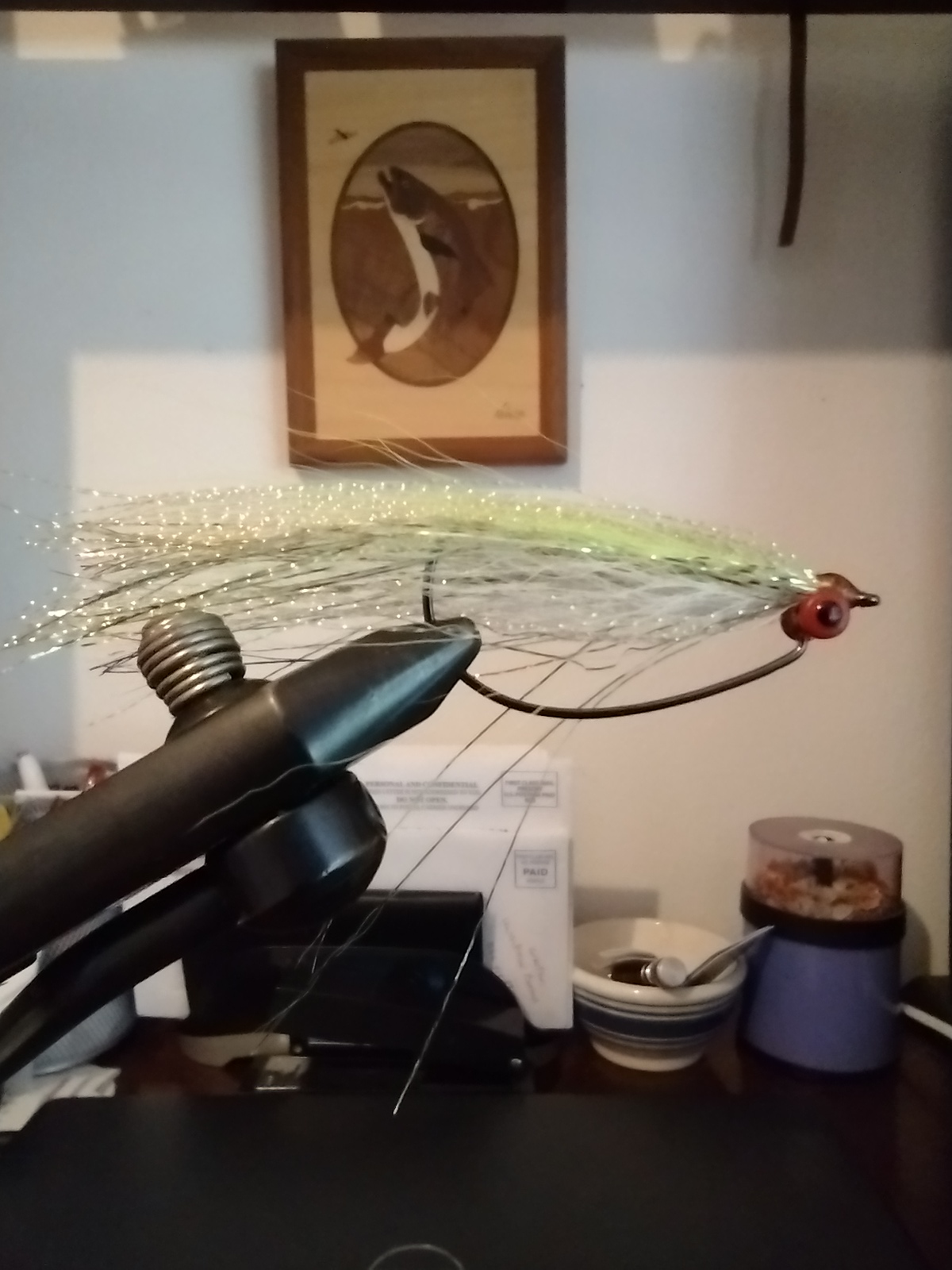
If you are a tier you can already see the challenge – not much hook surface to tie on. For the most part all of the materials go on the short length of hook right behind the eye. So, this weekend I wanted to experiment to figure out how to dress a usable fly without over loading that short length of hook shank. Call them proof of concept. I also was able to get a sense of proportion as I went. The first was too short, the second one was better but still a bit short. The last, a “double bunny strip” seems about right for length and bulk at the head is better. These will probably fish, but still a lot of refinement to come.
 Landing In The PNW